When Retailers Say No Refunds Secrets Revealed
Staff Writer
You've just purchased a product that turned out to be defective, didn't match its description, or simply wasn't what you expected. You head back to the store, receipt in hand, only to be met with those dreaded words: "Sorry, all sales are final." Your heart sinks as you stare at the bold "NO REFUNDS" sign posted behind the register.
But here's what most shoppers don't realize: that sign doesn't always tell the whole story. Behind the scenes of retail return policies lies a complex web of consumer protection laws, credit card guarantees, and little-known loopholes that can transform a seemingly hopeless situation into a successful refund.
In this comprehensive guide, we're pulling back the curtain on the secrets retailers don't want you to know. We'll explore the legal protections that exist at federal, state, and local levels, dive into the powerful tools your credit card provides, and reveal the negotiation strategies that turn "no" into "yes." Whether you're dealing with a stubborn electronics store, an online marketplace, or a local boutique with iron-clad policies, you'll discover that you have far more power than you think.
By the time you finish reading, you'll be armed with actionable knowledge that could save you hundreds—or even thousands—of dollars over your lifetime as a consumer.
Retailer return policy loopholes aren't about gaming the system or engaging in unethical behavior. Instead, they're legitimate consumer protections, legal requirements, and alternative resolution pathways that exist alongside a store's stated return policy. These loopholes represent the gap between what a retailer claims their policy is and what they're legally required to honor.
Think of it this way: a store can post any return policy they want, but that policy must still comply with federal and state consumer protection laws. When there's a conflict between a retailer's policy and the law, the law wins every time. Understanding this distinction is the foundation of becoming a more empowered shopper.
Return policy loopholes generally fall into several categories:
Federal and state laws that override store policies, including implied warranties and consumer protection statutes
Chargeback rights, purchase protection, and extended warranty programs offered by your card issuer
Direct warranty claims and recall programs that bypass the retailer entirely
Circumstances where even strict no-return policies don't apply, such as defective merchandise or misrepresentation
Techniques for escalating issues and finding resolution through proper channels
The key to successfully using these loopholes is understanding when and how they apply. A product that simply doesn't meet your aesthetic preferences is very different from a product that arrives damaged, fails to function as advertised, or turns out to be counterfeit. Throughout this guide, we'll help you identify which tools apply to your specific situation and how to deploy them effectively.
In an era where return policies are becoming increasingly restrictive, understanding your rights as a consumer has never been more important. Retailers are tightening their policies in response to return fraud, implementing restocking fees, shortening return windows, and using sophisticated tracking systems to identify and ban frequent returners. The balance of power has shifted, and uninformed consumers often bear the cost.
Consider these realities of modern retail:
These numbers tell a compelling story: returns are a massive part of retail commerce, yet many shoppers find themselves stuck with unwanted purchases. The difference between those who successfully navigate return challenges and those who don't often comes down to knowledge.
Understanding return policy loopholes matters for several critical reasons:
Financial Protection: The average American household loses hundreds of dollars annually to purchases they couldn't return but should have been able to. Knowing your rights directly impacts your bottom line.
Confidence in Purchasing: When you understand your safety nets, you can shop more confidently. You're not held hostage by restrictive policies or fear of making the wrong choice.
Holding Retailers Accountable: Businesses count on consumer ignorance. When shoppers know their rights, it creates market pressure for fairer policies across the industry.
Avoiding Manipulation: Some retailers deliberately obscure their policies or train employees to deny valid claims. Knowledge is your defense against these practices.
Perhaps most importantly, understanding these loopholes helps you distinguish between situations where you have legitimate recourse and situations where accepting the loss is the appropriate response. This guide isn't about getting refunds you don't deserve—it's about getting the refunds you do.
Consumer protection laws form the backbone of your rights when facing a "no refunds" policy. These laws exist at federal, state, and sometimes local levels, creating multiple layers of protection that often supersede whatever a retailer posts on their wall. Understanding these laws transforms you from a powerless customer into an informed advocate for your own interests.
At the federal level, the Federal Trade Commission (FTC) enforces several regulations that directly impact your ability to obtain refunds:
The FTC's Mail, Internet, or Telephone Order Rule requires sellers to ship items within the timeframe promised (or within 30 days if no timeframe was stated). If they can't meet this deadline, they must notify you and give you the option to cancel for a full refund. This applies to all remote purchases, meaning any online order that doesn't arrive on time gives you automatic refund rights regardless of the retailer's stated policy.
The Magnuson-Moss Warranty Act is a powerful but underutilized federal law. It doesn't require manufacturers to offer warranties, but when they do, the warranty must meet certain standards. More importantly for our purposes, it establishes that implied warranties (which we'll discuss shortly) cannot be disclaimed in most consumer transactions. When a retailer says "sold as-is, no warranty," they may be violating federal law.
The Fair Credit Billing Act provides protection when you pay by credit card, giving you the right to dispute charges for merchandise that was never delivered, was different than described, or was defective. This is one of your most powerful tools, and we'll explore it in depth later.
While federal laws provide a baseline, state consumer protection laws often go much further. These vary significantly by location, which is why understanding your state's specific protections is crucial.
Implied Warranty of Merchantability: Under the Uniform Commercial Code (UCC), adopted in some form by all 50 states, products come with an implied warranty that they're fit for their ordinary purpose. A toaster must toast. A waterproof jacket must repel water. This warranty exists whether the retailer acknowledges it or not, and in most states, it cannot be waived for consumer goods.
Implied Warranty of Fitness for a Particular Purpose: If you tell a salesperson you need something for a specific use and they recommend a product, that product must be suitable for that purpose. If you explain you need waterproof boots for hiking in wet conditions and the recommended boots leak, you have grounds for a refund even without an explicit return policy.
State Consumer Protection Acts: Most states have laws (often called "Little FTC Acts") that prohibit unfair and deceptive business practices. Misrepresenting a product, hiding material defects, or making false claims about return policies can all violate these statutes. Many of these laws provide for enhanced damages, meaning you might recover more than just the purchase price.
Cooling-Off Rules: Some states extend the FTC's cooling-off rule (which applies to door-to-door sales) to other types of transactions. California, for example, has specific protections for gym memberships, timeshares, and certain other purchases that allow cancellation within specified periods.
| Protection Type | Federal Coverage | State Coverage (Varies) |
|---|---|---|
| Implied Warranty of Merchantability | Magnuson-Moss Act backup | UCC provides direct enforcement |
| Defective Product Returns | FTC unfair practices | Many states require acceptance |
| Cooling-Off Period | 3 days for door-to-door sales | May extend to other sale types |
| False Advertising Claims | FTC Act enforcement | State AG can pursue, private lawsuits possible |
| Lemon Laws | Limited federal coverage | Strong protections in most states |
| Gift Card Expirations | Minimum federal standards | Many states prohibit entirely |
Knowing these laws exist is only half the battle. Here's how to actually use them:
Step 1: Document Everything Before approaching the retailer, gather your receipt, any product descriptions or advertisements you relied on, photos of defects, and records of any communications. This evidence supports your legal claims.
Step 2: Identify Your Strongest Argument Is the product defective (implied warranty)? Was it misrepresented (consumer protection act)? Did it arrive late (FTC mail order rule)? Leading with your strongest legal argument puts you in the best position.
Step 3: Make Your Case Calmly and Clearly When speaking with customer service, clearly state the specific law or protection you're invoking. For example: "Under the implied warranty of merchantability, this product must function as intended. Since it doesn't, I'm entitled to a remedy regardless of your posted return policy."
Step 4: Escalate Strategically If frontline staff can't help, ask for a manager. If the manager refuses, ask for corporate customer service contact information. Mention that you're prepared to file complaints with your state attorney general's consumer protection division and the Better Business Bureau.
Step 5: File Formal Complaints If Necessary If the retailer won't budge, file complaints with the FTC, your state attorney general, and the BBB. For significant amounts, consider small claims court, where you can represent yourself without an attorney.
If consumer protection laws are your foundation, credit card protections are your fortress. The plastic in your wallet comes with powerful safeguards that most cardholders never use—or even know exist. These protections can get you refunds when all other avenues have failed, often with a single phone call to your card issuer.
A chargeback is a forced reversal of a credit card transaction, initiated by your bank rather than the merchant. Under the Fair Credit Billing Act, you have the right to dispute charges for:
The chargeback process works in your favor. When you file a dispute, your card issuer temporarily credits your account while investigating. The burden then shifts to the merchant to prove the transaction was valid. Merchants hate chargebacks—they lose the sale, often pay a fee, and too many chargebacks can cost them their ability to accept credit cards entirely.
How to File a Successful Chargeback:
You generally have 60 days from the statement date showing the charge to file a dispute, though some issuers offer longer windows. Don't wait—file as soon as you've attempted resolution with the merchant and been denied.
Many credit cards include purchase protection that covers items against damage, theft, or sometimes even buyer's remorse for a period after purchase—typically 90 to 120 days. This protection exists separately from any return policy and can reimburse you for items the retailer won't take back.
Purchase protection typically covers: - Accidental damage (dropped your new phone?) - Theft (within a specified period after purchase) - Sometimes "no questions asked" returns for items you simply don't want
Cards with Notable Purchase Protection:
| Card Type | Coverage Period | Maximum Coverage | Notable Features |
|---|---|---|---|
| Chase Sapphire Preferred | 120 days | $500/claim, $50K/year | Covers theft and damage |
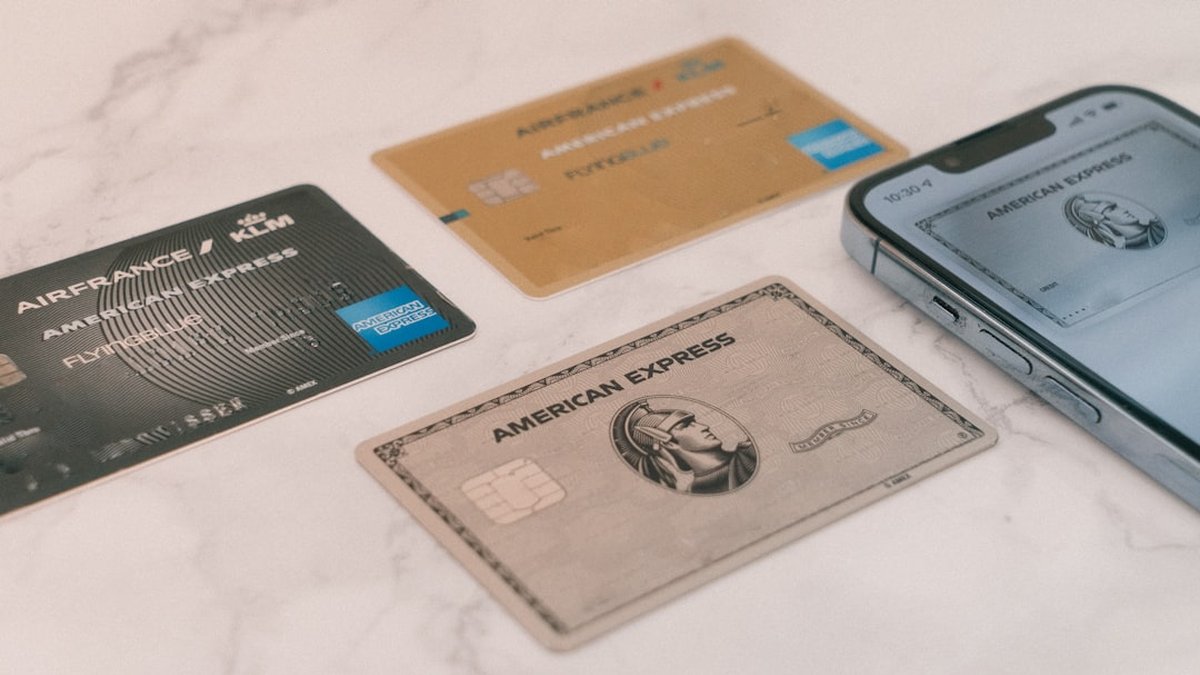
| American Express Platinum | 90 days | $1,000/claim, $50K/year | Includes purchase returns |
| Citi Double Cash | 120 days | $1,000/claim, $50K/year | No theft coverage |
| Capital One Venture X | 90 days | $500/claim | Covers damage only |
Another frequently overlooked benefit: many credit cards automatically extend manufacturer warranties by one to two years at no cost. When a retailer says they can't help because the return window has passed, your credit card might still have you covered if the product fails.
This protection kicks in after the manufacturer's warranty expires. If your washing machine dies 13 months after purchase with a 12-month manufacturer warranty, your credit card's extended warranty would cover the repair or replacement.
To use extended warranty protection:
Some premium cards offer return protection—a service that accepts returns the original retailer won't take. American Express has been a leader in this space, though coverage has changed over time. Under these programs, if a merchant refuses your return within typically 90 days of purchase, you can ship the item to the card issuer's fulfillment center for a refund.
This benefit has become less common in recent years, so check your specific card's current benefits guide. When available, it's extraordinarily powerful—essentially giving you a 90-day return policy on all purchases regardless of what the store allows.
Available on your issuer's website or by calling customer service. Look for purchase protection, extended warranty, and return protection
Some protections require registration before or shortly after purchase to be valid
Digital photos of receipts work if you're concerned about fading thermal paper
When making purchases with stricter return policies, use the card with the best purchase protection
Mark your calendar for 60 days from purchase for time-sensitive dispute rights
When a retailer won't help, don't forget there's another party with skin in the game: the manufacturer. Going directly to the source often yields better results than battling with a store that's merely the middleman. Manufacturers have more flexibility in resolving issues and a stronger interest in maintaining their brand reputation.
Most products come with a manufacturer's warranty, even if the retailer claims the sale is final. This warranty is a separate agreement between you and the company that made the product, and the retailer cannot void or modify it. When a product fails within the warranty period, you have a direct claim against the manufacturer regardless of where you purchased it.
Express Warranties are written guarantees that come with the product. They specify exactly what's covered, for how long, and what remedies are available (repair, replacement, or refund). Always read the warranty card or documentation that comes with your purchase.
Implied Warranties, as discussed earlier, exist under law whether the manufacturer acknowledges them or not. The Magnuson-Moss Warranty Act prevents manufacturers from disclaiming implied warranties when they offer any written warranty, meaning you always have baseline protection.
Contacting the manufacturer directly is often more effective than you'd expect. Here's the process:
Locate Contact Information: Check the product packaging, instruction manual, or the manufacturer's website. Look for "warranty claims," "customer support," or "product support" sections.
Prepare Your Documentation: Gather your proof of purchase (receipt or credit card statement), the product's serial number and model number, photos or videos demonstrating the defect, and a clear description of the problem.
Make Initial Contact: Call or email customer support. Explain the issue concisely and state that you'd like warranty service. Be polite but firm about your expectation for resolution.
Follow Their Process: The manufacturer may ask you to ship the product for inspection, bring it to an authorized service center, or simply provide photos for verification. Cooperate with reasonable requests.
Escalate If Needed: If initial support isn't helpful, ask to speak with a supervisor or the warranty claims department. Mention that you're a loyal customer and that you're considering sharing your experience on social media and review sites—this often accelerates resolution.
Product recalls represent a special category where you're entitled to a remedy regardless of any return policy, warranty status, or time since purchase. When a product is recalled for safety reasons, the manufacturer must provide a repair, replacement, or refund.
The Consumer Product Safety Commission (CPSC) maintains a database of recalled products. Before accepting "no returns," check whether your product has been recalled. You can also sign up for recall alerts for products you own.
Recall remedies typically include: - Full refund of the purchase price - Free repair to correct the safety issue - Replacement with an updated, safe version - Rebate toward a replacement product
For vehicles, the National Highway Traffic Safety Administration (NHTSA) handles recalls, and dealers are required to perform recall repairs free of charge regardless of when you purchased the vehicle or from whom.
While most people associate lemon laws with cars, some states have expanded these protections to other consumer goods. Lemon laws typically apply when a new product has a significant defect that:
If your situation meets lemon law criteria, you may be entitled to a replacement or full refund including sales tax and potentially attorney fees. Check your state's specific lemon law requirements—they vary significantly in scope and coverage.
The retailer is just the point of sale. When a product fails, the manufacturer has both the legal obligation and the practical ability to make things right. Smart consumers know to go straight to the source.
Even armed with knowledge of your rights, it's easy to undermine your own case through avoidable missteps. These mistakes can transform a winnable situation into a frustrating dead end. Learn from the experiences of countless shoppers before you and sidestep these common pitfalls.
Time is not on your side. Chargeback rights have deadlines (typically 60 days from the statement date). Warranty periods expire. State statutes of limitations can bar claims. Even when you have valid grounds for a refund, waiting too long can forfeit your rights entirely.
Solution: Address issues immediately. The moment you notice a problem, begin documenting and reaching out. If you're frustrated and need time to cool off, at least create a written record of the issue and key dates.
Throwing away packaging, receipts, or tags before you're certain you'll keep the item is a critical error. Many retailers require original packaging for returns, and you'll certainly need proof of purchase for any claim.
Solution: Keep everything for at least 90 days, or until you're confident the product works and you want to keep it. Take photos of receipts immediately (thermal paper fades quickly). Store packaging in a closet rather than recycling it right away.
Frontline customer service representatives often have limited authority and may cite policy without understanding the exceptions or your legal rights. Taking their initial refusal as final leaves money on the table.
Solution: Always escalate. Ask for a supervisor, then a manager. Request contact information for corporate customer service. Be persistent but professional—squeaky wheels get grease, but aggressive customers get flagged and stonewalled.
Losing your temper feels satisfying in the moment but destroys your effectiveness. Employees become defensive, managers become adversarial, and you lose the moral high ground. Anger also leads to poor decision-making and can result in saying things that hurt your case.
Solution: Channel frustration into determination. Speak calmly and clearly. Use phrases like "I understand this isn't your policy, but..." and "I'd appreciate your help finding a solution." Kill them with kindness, then escalate firmly if kindness doesn't work.
Your legal rights are strongest when products are defective, misrepresented, or undelivered. They're weakest when you simply changed your mind. Conflating these situations weakens your position and can damage your credibility.
Solution: Be honest about why you want a return. If the product is defective, focus on that. If you simply don't like it, acknowledge that your options may be more limited and adjust your strategy accordingly. Sometimes the ethical move is to accept a store credit or sell the item yourself.
Success in obtaining refunds comes down to preparation, communication, and persistence. These best practices are distilled from consumer advocates, legal experts, and shoppers who consistently get results even in challenging situations.
Research Return Policies Before Purchasing: Check the retailer's return policy before you buy, especially for expensive items or stores you're unfamiliar with. Policies vary dramatically—some stores offer 365-day returns while others give you just 7 days.
Pay with Credit Cards: Always use a credit card rather than debit, cash, or gift cards when possible. Credit cards provide dispute rights that other payment methods don't offer. For large purchases, consider using a card with robust purchase protection.
Save Everything: Create a dedicated folder (physical or digital) for receipts and product documentation. Photograph items when they arrive, especially for online purchases, to document their condition.
Buy from Reputable Sellers: When shopping online, prioritize established retailers with good customer service reputations. Marketplace purchases from third-party sellers can be harder to resolve.
Act Quickly: Don't procrastinate. The sooner you address problems, the more options you have and the more credible your complaint appears.
Document the Problem: Take photos, screenshots, and videos. Write down dates, times, and names of people you speak with. Save all email correspondence. This documentation is crucial for escalation.
Know What You Want: Before contacting customer service, decide on your preferred outcome (refund, exchange, repair, store credit) and acceptable alternatives. Clear asks get clearer answers.
Start Friendly, Then Get Firm: Your first contact should be polite and give the retailer a chance to do the right thing. If that doesn't work, progressively escalate while remaining professional.
Have your receipt, order number, photos, and timeline ready before you pick up the phone
Politely ask to speak with someone who has authority to make exceptions to standard policy
After phone calls, send a follow-up email summarizing what was discussed and agreed upon
Reference implied warranties, the FTC, or your state's consumer protection laws when applicable
Give the company a specific timeframe (7-10 business days) before you'll escalate further
If you say you'll file a complaint or chargeback, actually do it if the deadline passes without resolution
Effective escalation is a skill. Here's the ladder of escalation, from least to most aggressive:
Level 1 - Frontline Customer Service: Your first stop. Be nice, explain the problem, ask for a resolution. Many issues end here with cooperative retailers.
Level 2 - Supervisor/Manager: When frontline staff can't help, ask for someone with more authority. Explain that you understand the associate's hands are tied but you need to speak with someone who can make an exception.
Level 3 - Corporate Customer Service: Find the company's executive customer service email or phone number. Websites like Elliott Advocacy maintain databases of executive contacts. Emails to CEO addresses often get routed to specialized resolution teams.
Level 4 - Social Media: A polite, factual complaint on Twitter/X, Facebook, or Instagram can prompt quick responses. Companies monitor social media and often have dedicated teams to address public complaints.
Level 5 - Third-Party Complaints: File complaints with the Better Business Bureau, your state attorney general's consumer protection division, and the FTC. Even if these don't directly resolve your issue, they create pressure and a record.
Level 6 - Credit Card Dispute: If you paid by credit card, file a chargeback. This is highly effective but should generally be a later step after attempting resolution with the merchant.
Level 7 - Small Claims Court: For amounts within your jurisdiction's limit (typically $5,000-$10,000), small claims court is a viable option. You don't need a lawyer, filing fees are low, and many disputes settle once the retailer is served.
The next time you're faced with a "no refunds" sign, you'll know it doesn't tell the whole story. Behind those two words lies a complex landscape of consumer protections, credit card safeguards, and negotiation strategies that savvy shoppers use to protect their purchases.
Let's recap the key takeaways from this guide:
Consumer Protection Laws Are Your Foundation: Implied warranties, state consumer protection acts, and federal regulations provide baseline rights that retailers cannot simply post away. When a product doesn't work as intended or differs from its description, the law is on your side.
Credit Cards Are Powerful Allies: Chargeback rights, purchase protection, extended warranties, and return protection programs provide multiple layers of safety. Use credit cards strategically and know your benefits.
Manufacturers Can Bypass Retailers: When the store won't help, going directly to the brand often yields results. Manufacturer warranties exist independently of retailer policies, and companies have strong incentives to keep customers happy.
Persistence Pays Off: Most shoppers accept the first "no" they hear. By escalating appropriately—from frontline staff to managers to corporate to external complaints—you dramatically increase your chances of resolution.
Documentation Is Everything: From the moment you make a purchase until you're certain you'll keep it, maintain records. Receipts, photos, emails, and notes on conversations become crucial evidence when disputes arise.
Remember, these strategies aren't about gaming the system or getting refunds you don't deserve. They're about knowing your legitimate rights and exercising them when retailers fail to meet their obligations. The balance of power in retail has shifted toward stores; knowledge shifts it back toward you.
As a consumer, you have more power than you think. The tools are in your hands—now use them.
Want to stay ahead of retailer policy changes and learn more strategies for protecting your purchases? Explore our comprehensive guides to return policies at major retailers and discover the shopping strategies that save smart consumers thousands each year.
Explore Return Policy Guides
Comments
No comments yet. Be the first to comment!
Leave a Comment